FAQ: How Does Modern Dating Works
Frequently Asked Questions About Modern Dating
1. Introduction: What is Modern Dating?
Q1: How has dating evolved from traditional to modern practices?
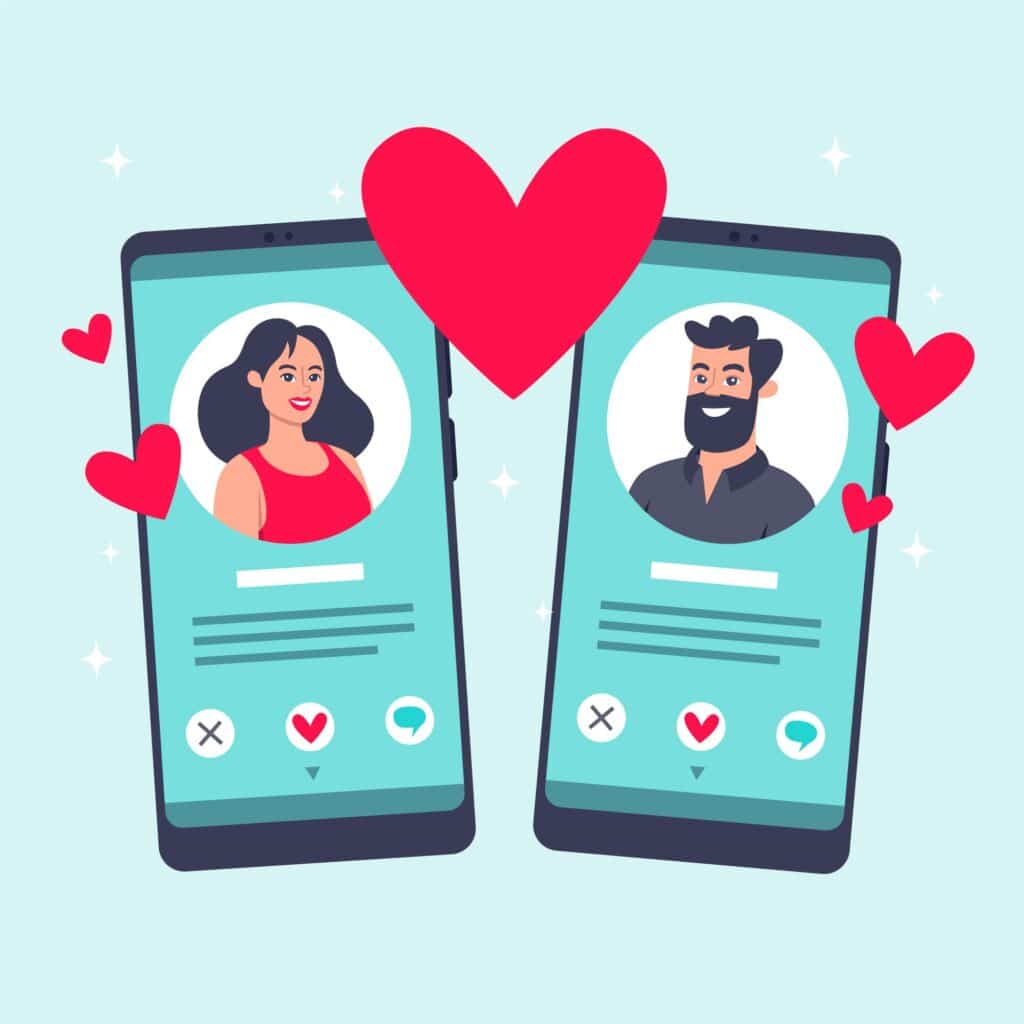
Modern dating is a stark departure from the past, where family introductions, community events, or arranged marriages were common. Today, technology, shifting social norms, and cultural changes dominate. Unlike the past, where dating was often guided by collective expectations, modern dating prioritizes individual choice, digital connectivity, and self-directed relationships. Apps like Tinder and Bumble have replaced blind dates, while social media shapes how people present themselves and interact.
Q2: What makes modern dating unique?
Modern dating is defined by its digital-first approach (e.g., online profiles, algorithms), evolving values (e.g., prioritizing personal growth over traditional milestones), and complex social dynamics (e.g., navigating cultural differences and mental health challenges). It balances opportunities (access to global connections) with pitfalls (superficial interactions and instability).
2. The Role of Technology in Modern Dating
Q3: Why are dating apps like Tinder and Bumble so mainstream?
Dating apps have revolutionized how people meet. Their accessibility, diverse user bases, and gamified interfaces (e.g., “swiping”) make them appealing. Apps like Tinder and Bumble cater to casual dating, while eHarmony focuses on long-term compatibility. LGBTQ+-friendly platforms like Grindr address niche communities. These apps offer convenience but also reinforce “swipe culture,” where speed and appearance take precedence over depth.
Q4: How does “swipe culture” impact decision-making and first impressions?
Swipe culture emphasizes snap judgments—users evaluate profiles in seconds, often prioritizing photos over substance. This leads to rejection fatigue and a focus on superficial traits (e.g., physique, looks). While fast, it risks reducing meaningful connections to transactional exchanges.
Q5: Are algorithm-driven matches on apps like eHarmony effective?
Algorithms analyze user preferences (e.g., interests, values) and behavior (e.g., match success rates) to suggest compatible partners. Platforms like eHarmony claim data-driven accuracy, but criticism persists:
- Pros: Efficient filtering of incompatible matches.
- Cons: Over-reliance on static data, ignoring emotional chemistry.
Q6: How do texting and video calls affect dating relationships?
Virtual communication tools enable instant, flexible interactions but lack non-verbal cues (e.g., eye contact, body language). This can cause miscommunication or emotional disconnection. However, video calls bridge this gap, making distant relationships more personal.
3. Shifting Values and Expectations
Q7: Is casual dating (“hookup culture”) on the rise? Why?
Yes, especially among younger generations. Gen Z and millennials increasingly accept casual relationships as a way to prioritize fun and self-discovery over commitments. This trend is linked to cultural shifts toward individualism and delayed marriage. However, it raises questions about emotional fulfillment and long-term goals.
Q8: What defines a “no-strings-attached” relationship?
These relationships prioritize planned encounters (e.g., one-night stands, casual dates) without emotional or financial obligations. While liberating for some, they can breed emotional neglect or insecurity for others.
Q9: How are gender roles changing in relationships?
Modern dating challenges traditional norms where men pursued women. Now, women may initiate contact, and both partners share responsibilities (e.g., splitting bills, household tasks). This egalitarian shift reduces stereotypes but also sparks debates about “ladyfishing” (women using apps for benefits without reciprocation).
Q10: Why is personal growth now central to dating?
Modern relationships emphasize shared values, emotional intelligence, and mutual goals over material wealth or social status. Couples focus on collaborative growth, such as supporting career aspirations or wellness journeys, rather than settling for convenience.
4. Social Dynamics and Peer Influence
Q11: How does social media shape dating ideals?
Platforms like Instagram and TikTok popularize “relationship milestones” (e.g., romantic dinners, grand gestures) through influencers. Public displays of affection (PDA) pressure couples to “perform” love, fostering comparison culture and unrealistic expectations.
Q12: What role does FOMO (Fear of Missing Out) play in modern dating?
FOMO drives users to constantly seek new matches, fearing that settling on one person might lead to regret. It exacerbates indecision and rejection sensitivity, as swiping through endless options creates a sense of dissatisfaction.
Q13: Are dating norms in Western and non-Western cultures diverging?
Yes. Western cultures prioritize individual choice, while non-Western cultures (e.g., South Asian, Middle Eastern) often blend traditional practices (e.g., arranged marriages) with modern hybrid models (e.g., parents suggesting matches via apps).
Q14: How do generational attitudes toward dating differ?
Younger generations favor flexibility (e.g., polyamory, dating apps), while older generations prioritize stability and long-term commitment. This creates tension but also fosters cross-generational learning about adaptability and respect.
5. Challenges and Criticisms
Q15: Why is dating becoming more superficial?
Profiles reduce people to photos and bios, amplifying superficial judgments. Users may fixate on traits like income or looks, neglecting character and emotional compatibility.
Q16: What is “ghosting,” and why does it harm relationships?
Ghosting—cutting off communication without explanation—breeds insecurity and emotional distress. It reflects emotional unavailability, often exacerbated by the ease of anonymous online interactions.
Q17: Are dating apps a privacy risk?
Yes. Data breaches and “catfishing” (fake profiles) are common. Apps often monetize user data, raising ethical concerns about privacy exploitation. Users should use discretion (e.g., avoiding sharing financial details).
Q18: How does FOMO affect mental health in dating?
Constant swiping and comparison to others’ relationships can lead to anxiety, low self-esteem, and burnout. Studies link this to rejection fatigue, where users feel emotionally drained from frequent no-matches.
6. Case Studies
Q19: Can dating apps lead to successful, long-term relationships?
Yes. Many couples credit apps like Bumble or Match.com for their long-term partnerships. For example, 30% of marriages in the U.S. now originate from online platforms, including hobby-based apps (e.g., Meetup for gamers).
Q20: What are the dangers of using dating apps?
Dangers include harassment, exploitation, and “robo-dates” (automated fake profiles). Some apps lack robust verification processes, allowing predators to manipulate users.
7. The Future of Modern Dating
Q21: What is AI-driven virtual dating?
AI simulations or VR dates use data to create immersive, personalized experiences. While futuristic, critics argue they risk detaching love from reality.
Q22: What is “slow dating,” and why is it rising?
Slow dating advocates for deliberate, in-person connections instead of rapid swiping. It counters “app fatigue” by prioritizing deep emotional bonds and intentional communication.
Q23: Will traditional dating norms return in the future?
Possibly. As users grow tired of digital interaction, face-to-face meetups, events, and community-based dating may resurge, emphasizing authenticity over convenience.
Q24: How do global crises (e.g., climate change) affect dating priorities?
Couples may focus on shared sustainability goals or resilience planning, reflecting broader societal concerns. Emotional support during crises could also strengthen relationships.
8. Final Thoughts: Balancing Tech and Authenticity
Q25: How can I balance technology with emotional authenticity in dating?
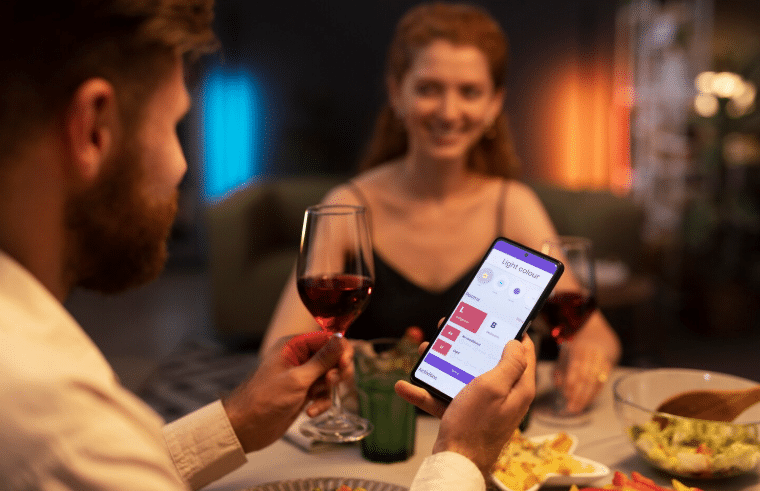
- Use apps to initiate connections, then prioritize meaningful, in-person interactions.
- Set clear boundaries (e.g., avoid overanalyzing profiles).
Q26: What are the keys to finding a meaningful relationship today?
- Self-awareness: Reflect on your values and goals.
- Open-mindedness: Be receptive to diverse perspectives.
- Communication: Prioritize honesty and emotional transparency.
Q27: Why is reflecting on dating values important?
Modern dating’s complexity requires intentionality. By clarifying what you seek—whether casual fun or long-term growth—you avoid misaligned expectations and foster healthier relationships.
Q28: How can I adapt to the challenges of modern dating?
- Stay informed: Learn about new trends (e.g., privacy settings on apps).
- Prioritize well-being: Limit screen time and seek offline connections.
- Be authentic: Focus on building trust and emotional depth, not “performing” love online.
The post FAQ: How Does Modern Dating Works appeared first on Gotham Club.
from Blog | Gotham Club https://ift.tt/Ay90zDr https://ift.tt/lyeYmPU


Comments
Post a Comment